Longteng Bridge Half-Day Trip Without the Rail Bike
With only half a day, you do not need to add a rail-bike booking just to fill your schedule. The historic bridge and Shengxing Old Street already form a rewarding, coherent trip.

Location
Sanyi Township, Miaoli County
Theme
Half-day itinerary
Transport tip
Confirm your destination
Before leaving
Check today's notices
Start with the bridge
Explore the main viewpoint and interpretive displays, leave time for photos, then continue to Shengxing Station and Old Street.
Keep the plan flexible
Return after lunch or a snack. Add the woodcarving district only if travel and parking time allow.
Respect the monument
Stay on open paths and follow all signs, markings and on-site instructions.
How should you plan a half-day visit to Longteng Bridge?
If you have only half a day, do not feel obliged to book the Old Mountain Line Rail Bike simply to add an activity. The bridge ruins and Shengxing Old Street are enough for a trip with a clear theme.
What to prepare before arriving
Begin at the main viewing area for the broken bridge. Read the interpretation panels, study the brick piers and allow enough time for photographs. Afterwards, travel to Shengxing Station and its adjoining old street for a break.
What to see and in what order
You can return after lunch or a snack. To explore Sanyi’s woodcarving shops as well, budget for the additional drive and parking rather than rushing between sites.
Frequently asked questions
Is half a day enough? Yes, for the bridge and Shengxing Station at a comfortable pace. A timed rail-bike reservation changes the schedule and needs its own buffer.
Do I need a ticket to see Longteng Bridge? Viewing the outdoor historical remains is different from taking the paid Old Mountain Line Rail Bike. Check the operator’s current rules if you want to ride.
Where should I navigate? For the main ruins, use Longteng Bridge on Google Maps. For the rail bike, follow the reporting station printed on your booking.
Related guides and useful information
- Getting to Longteng Bridge
- Getting there, including station and parking choices
- Comparing the rail-bike routes
- Nearby attractions and Shengxing Station
- Official rail-bike notices
The cultural story behind this half-day trip
Longteng Bridge and Shengxing Station connect two parts of the Old Mountain Line’s history: bridge engineering and railway station life. The route suits travellers with limited time and does not require a ticket at every stop.
Suggested visiting order
Start at the bridge’s principal viewpoint. Read the panels and compare the red-brick arches with the later iron bridge in the background. Continue to Shengxing Station for its wooden station building, then eat or have tea on the old street. Choose your transport according to current road and transit conditions.
If you need to shorten the day
If weather worsens or parking takes longer than planned, keep only the bridge and Shengxing Station. Do not assume that the road between them is a short, flat walk: mountain roads and weekend traffic can change the journey considerably.
Explore the location from different angles
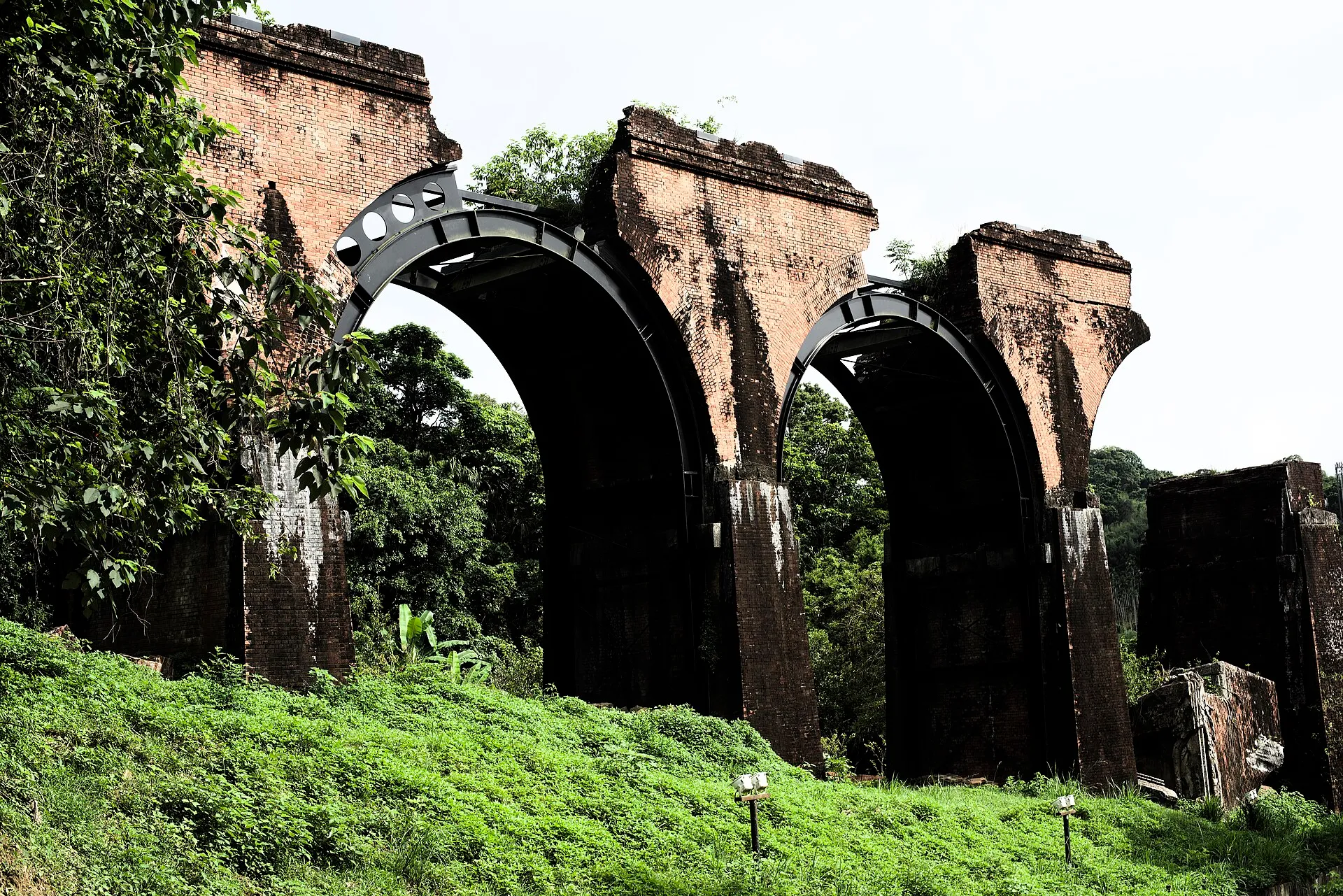
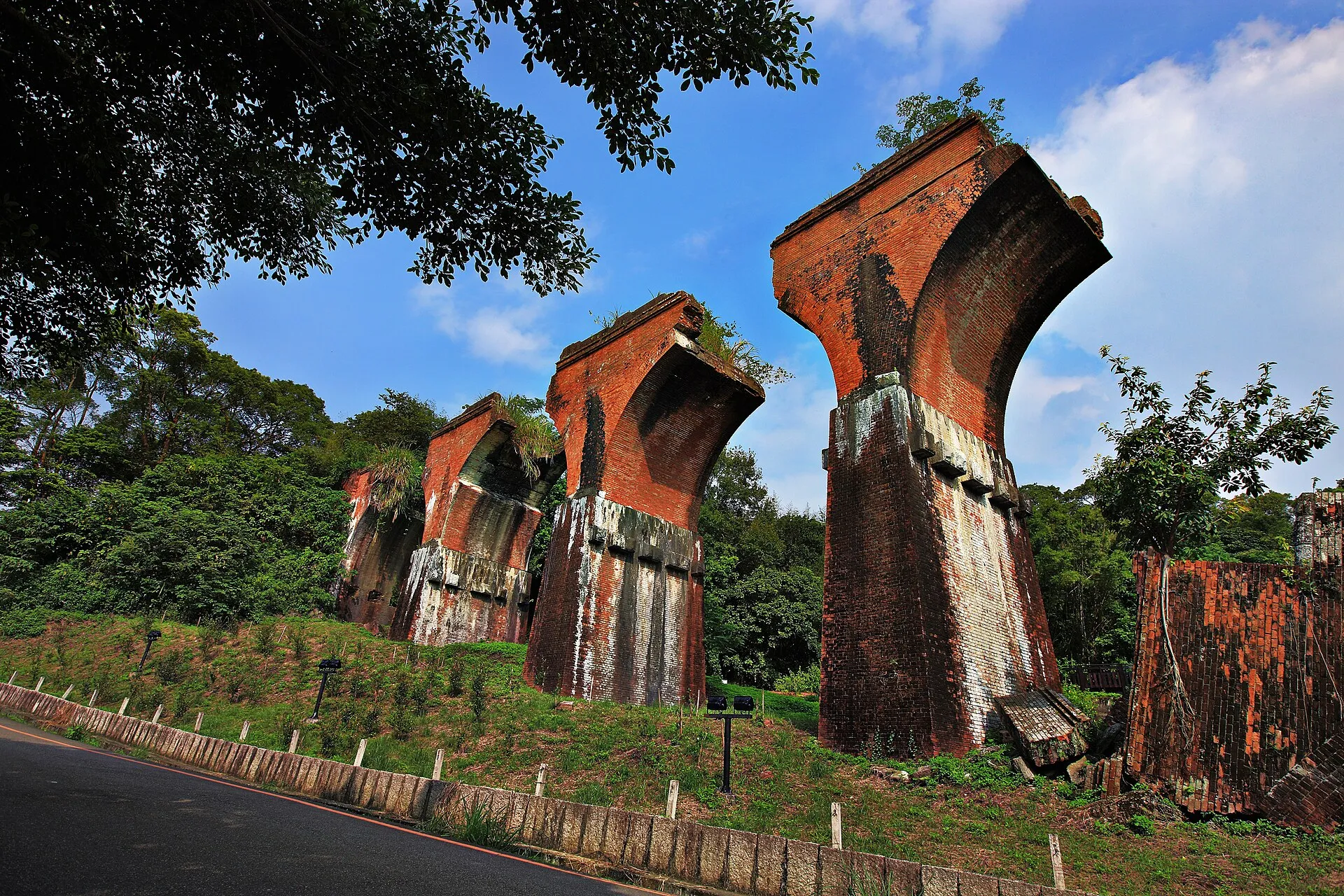
Plan your visit with Google Maps
Remains of Longteng Bridge (龍騰斷橋/魚藤坪斷橋)
Miaoli County Road 49, 367 Sanyi Township, Miaoli County, Taiwan
For official tourism information see Taiwan Tourism Administration (official tourism portal) . Map pins, reviews and business information change over time; follow road signs and on-site guidance for parking and walking routes.
Read next
- Seasons and climate Longteng Bridge Through the Seasons: Weather, Stream Conditions and Wildlife An overview of twelve months of typical temperatures, rain, humidity, creek conditions, wildlife and what to wear along the Old Mountain Line.
- Visitor services Longteng Bridge Visitor Facilities: Toilets, Parking, Food and Supplies Plan for toilets, parking, food, stays, convenience stores, fuel, EV charging, medical help, mobile reception and accessible family facilities along the Old Mountain Line.
- Science and responsibility Why Did Longteng Bridge Break? Earthquake Engineering and Visitor Responsibility Understand how brick arches failed in the 1935 earthquake and why protecting the remains and their wildlife habitats matters.